
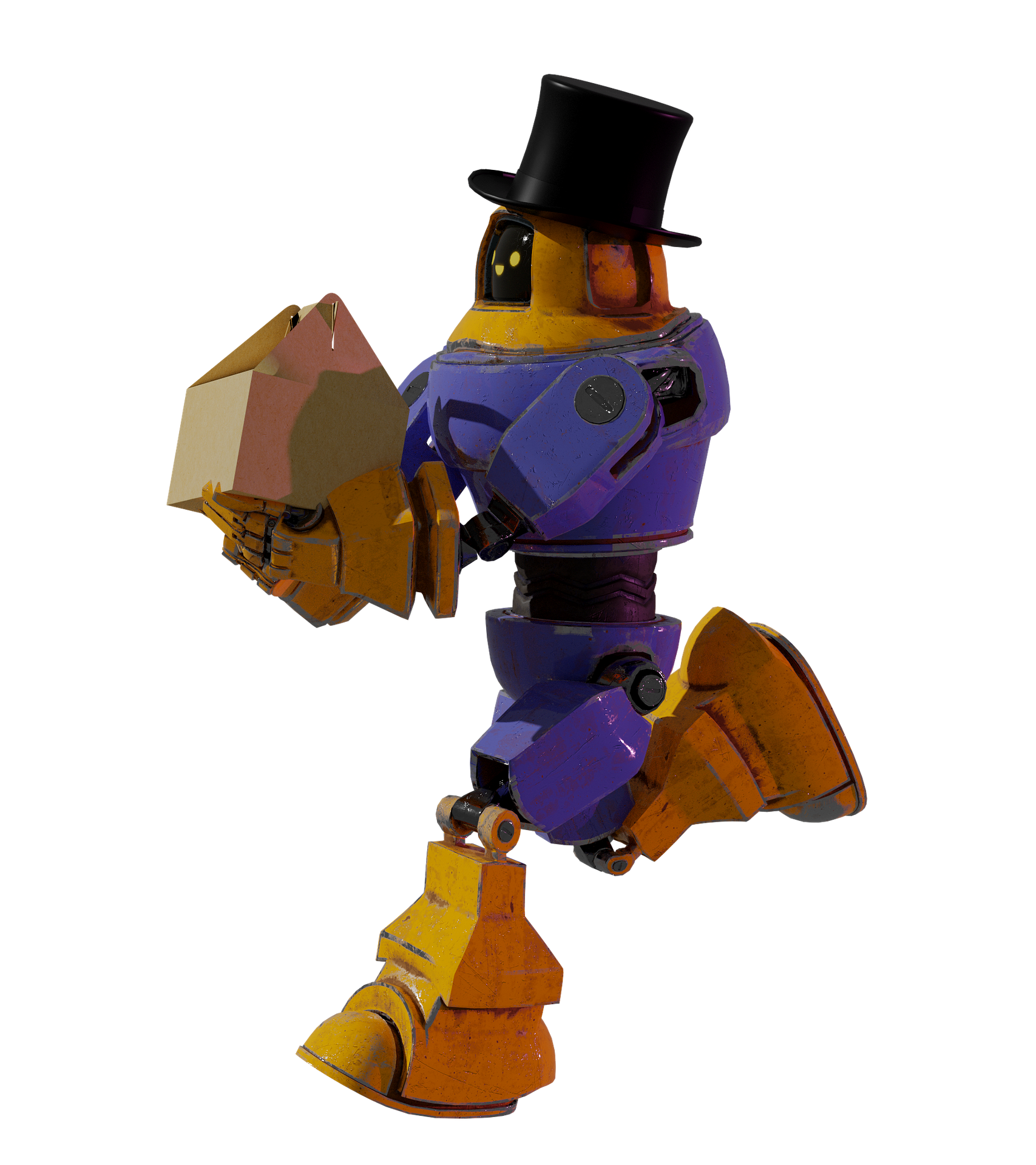
Robots have a significant impact on transportation today, revolutionizing the way people and goods move from one place to another. Here's how
Self-Driving Cars:
Autonomous vehicles equipped with robotic technology can navigate roads, interpret traffic signals, and respond to obstacles without human intervention. Companies like Tesla, Waymo, and Uber are developing and testing self-driving cars, aiming to improve road safety and reduce traffic congestion.
Tesla Autopilot
Tesla's semi-autonomous driving feature, Autopilot, assists with tasks like lane-keeping and adaptive cruise control using cameras, radar, and sensors.
Public Transport:
Some cities have implemented autonomous buses and shuttles that operate on fixed routes. These self-driving vehicles offer convenient and eco-friendly alternatives to traditional public transportation, enhancing mobility in urban areas.
NAVYA Arma Shuttle
The NAVYA Arma is an autonomous shuttle used for public transportation on predefined routes, equipped with sensors for obstacle detection.

Delivery Robots:
Delivery robots navigate sidewalks and streets to deliver packages to homes and businesses. Companies like Starship Technologies and Amazon are deploying delivery robots in cities worldwide, offering efficient and contactless delivery solutions for small packages and groceries.
Amazon Scout
Amazon's Scout is a six-wheeled delivery robot designed for residential neighborhoods, using cameras and sensors for safe sidewalk navigation.
Drone Delivery:
Drones equipped with robotic technology are being used for last-mile delivery in remote or hard-to-reach areas. They can deliver medical supplies, food, and other essential items quickly and efficiently, especially during emergencies or natural disasters.
Wing Delivery Drones
Wing, a subsidiary of Alphabet Inc., operates a drone delivery service for various goods, using AI algorithms for route planning and safe navigation.